In this auspicious occasion, we are delighted to delve into the intriguing topic related to The Ford Ranger: A Case Study in Shifting Market Dynamics. Let’s weave interesting information and offer fresh perspectives to the readers.
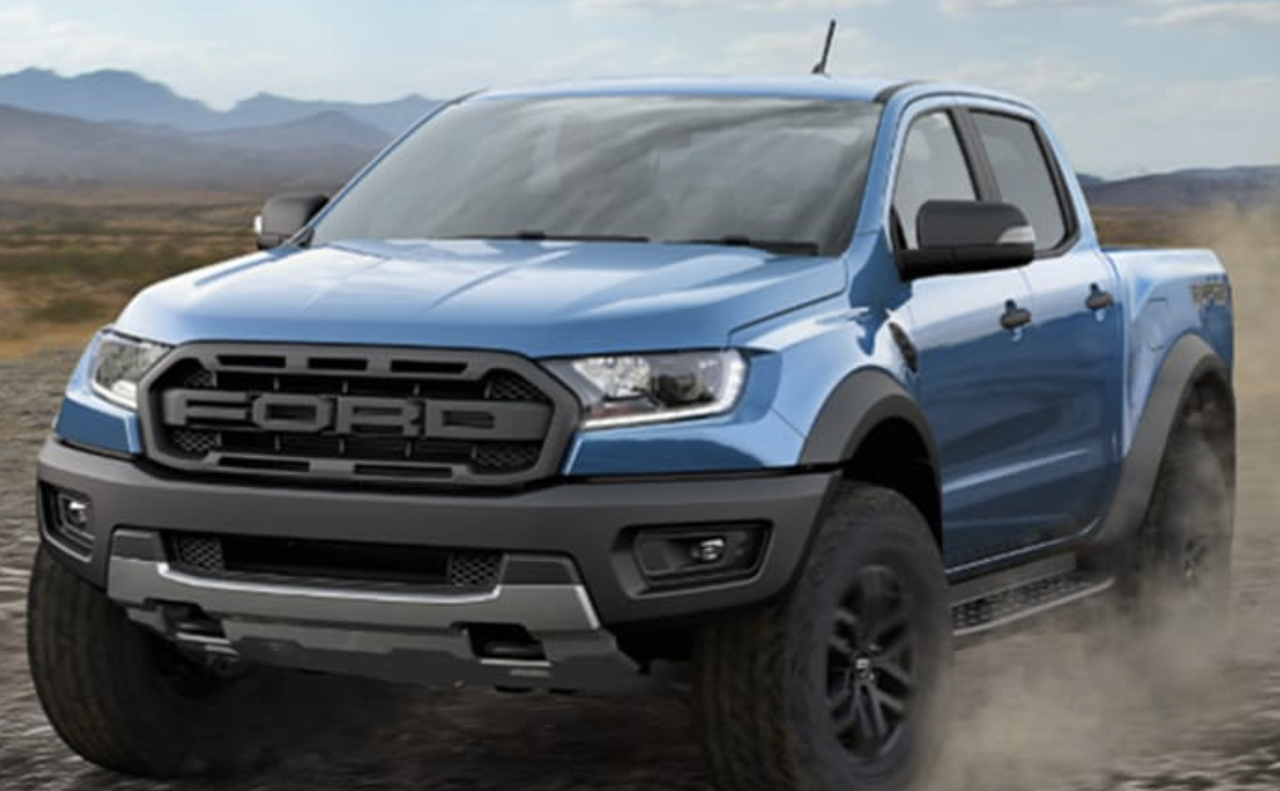
The Ford Ranger, once a staple in the mid-size pickup truck segment, has experienced a decline in sales in recent years. While the truck retains a loyal following and boasts a reputation for durability and capability, its market share has shrunk in the face of stiff competition and evolving consumer preferences. Understanding the factors behind this trend offers valuable insights into the broader landscape of the automotive industry.
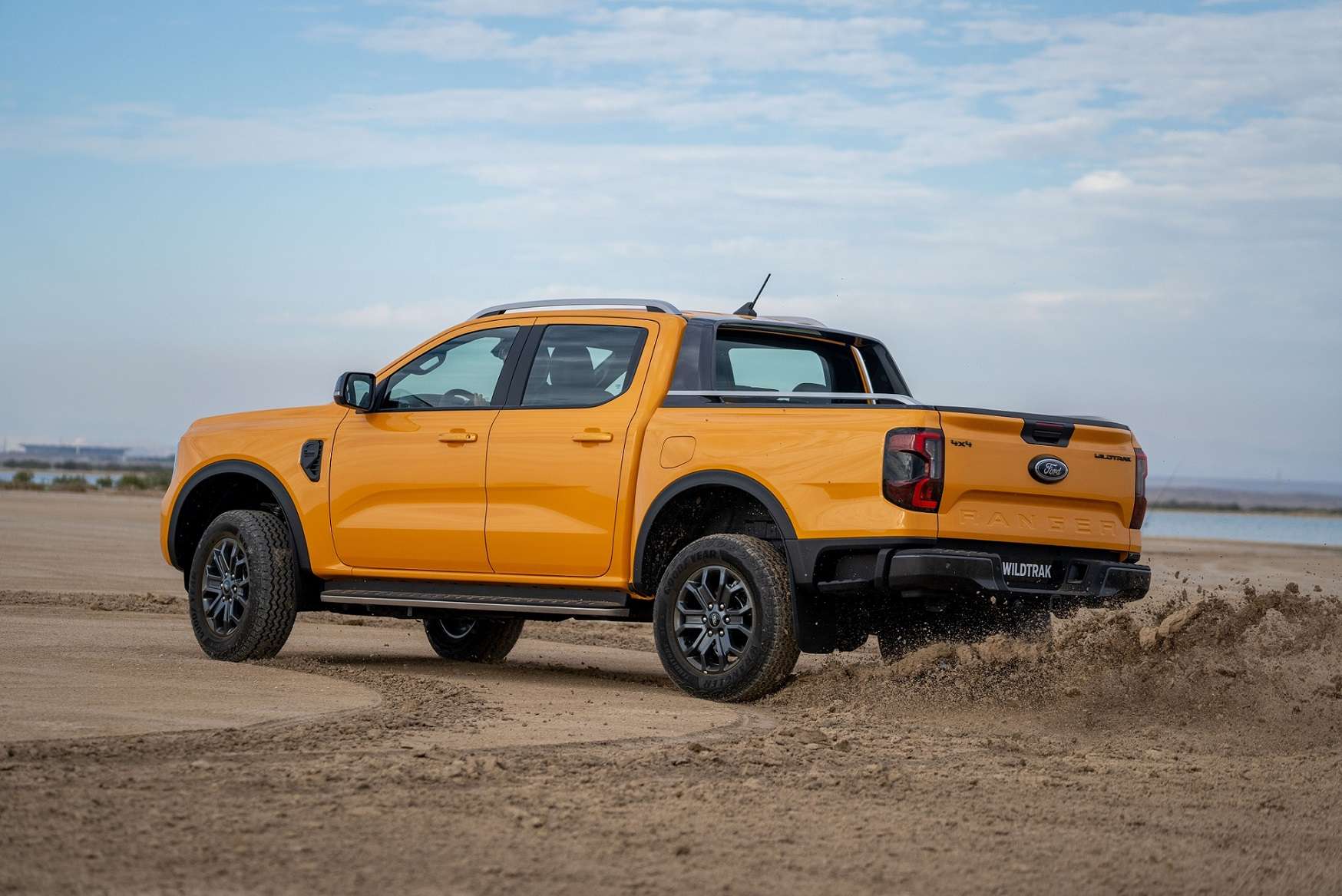
1. Increased Competition: The mid-size pickup truck segment has become increasingly crowded in recent years. Vehicles like the Toyota Tacoma, Chevrolet Colorado, and Nissan Frontier have undergone significant updates, offering compelling features, advanced technology, and competitive pricing. The Ranger’s once dominant position has been challenged by these formidable rivals.
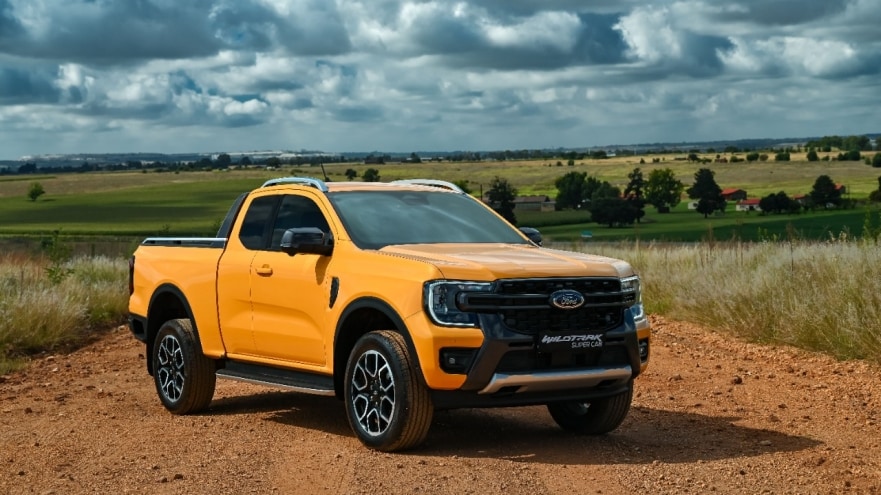
2. Shifting Consumer Preferences: The market for pickup trucks has evolved, with consumers increasingly seeking features and functionalities beyond traditional utility. Modern buyers prioritize fuel efficiency, advanced technology, and comfort amenities. While the Ranger excels in traditional pickup truck capabilities, it may be lagging in meeting these evolving demands.
3. Perceived Lack of Innovation: While the Ranger has received updates and upgrades over the years, some argue that its design and technology haven’t kept pace with its competitors. The lack of a hybrid or electric powertrain option, for example, could be deterring environmentally conscious buyers.
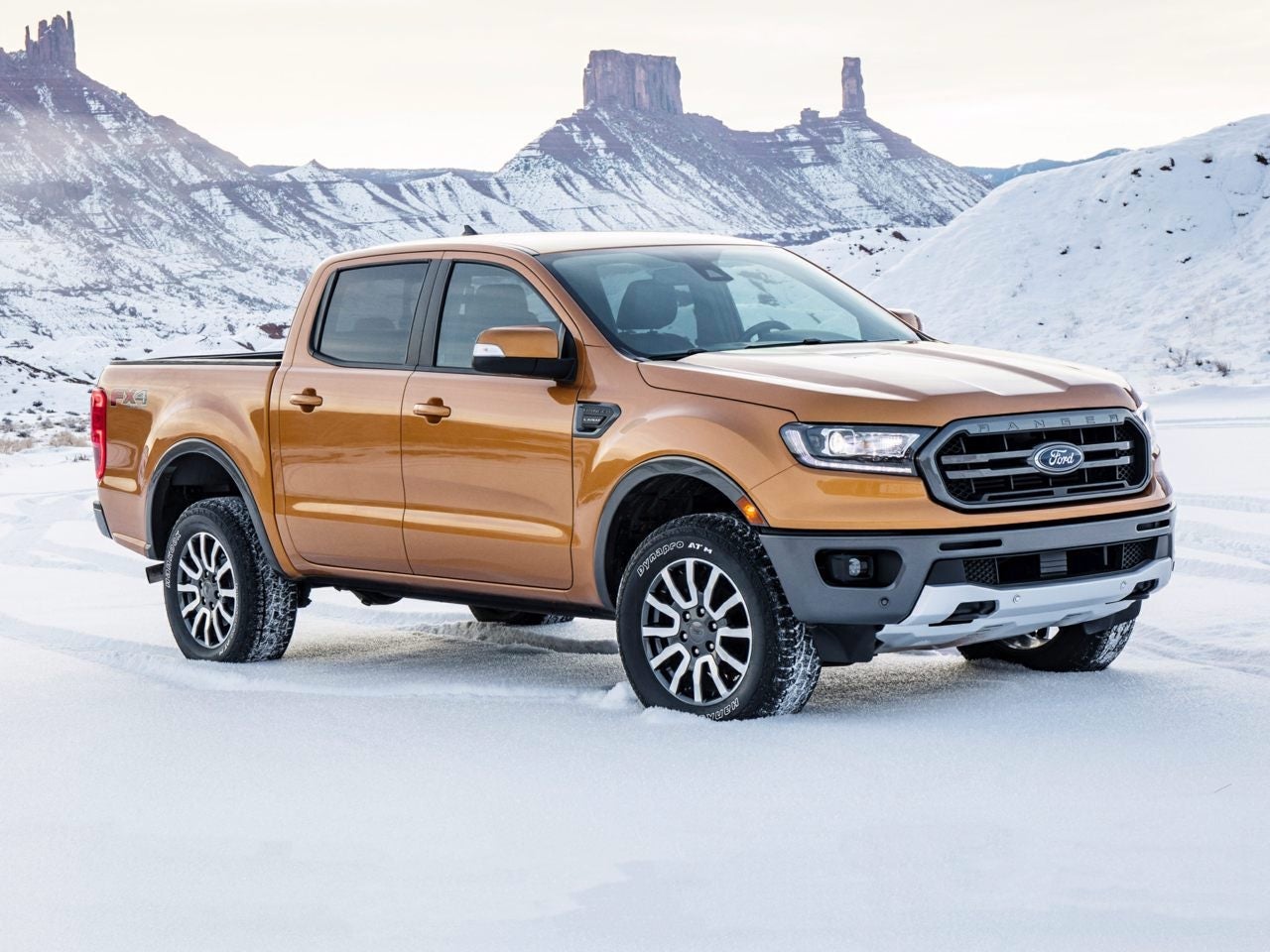
4. Price Point: The Ranger’s pricing, while competitive, may not always align with its perceived value proposition. In some cases, buyers may find comparable features and capabilities in other models at a lower price point, making the Ranger less attractive.
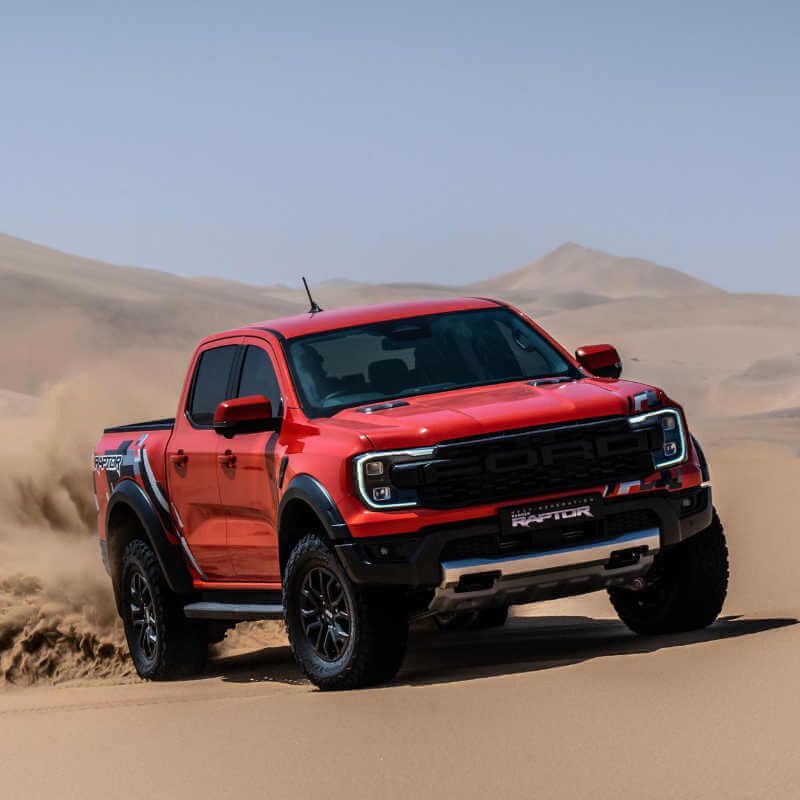
5. Supply Chain Constraints: Global supply chain disruptions, particularly those impacting semiconductor production, have impacted the automotive industry as a whole. These challenges have resulted in production delays and limited availability, impacting the Ranger’s sales figures.
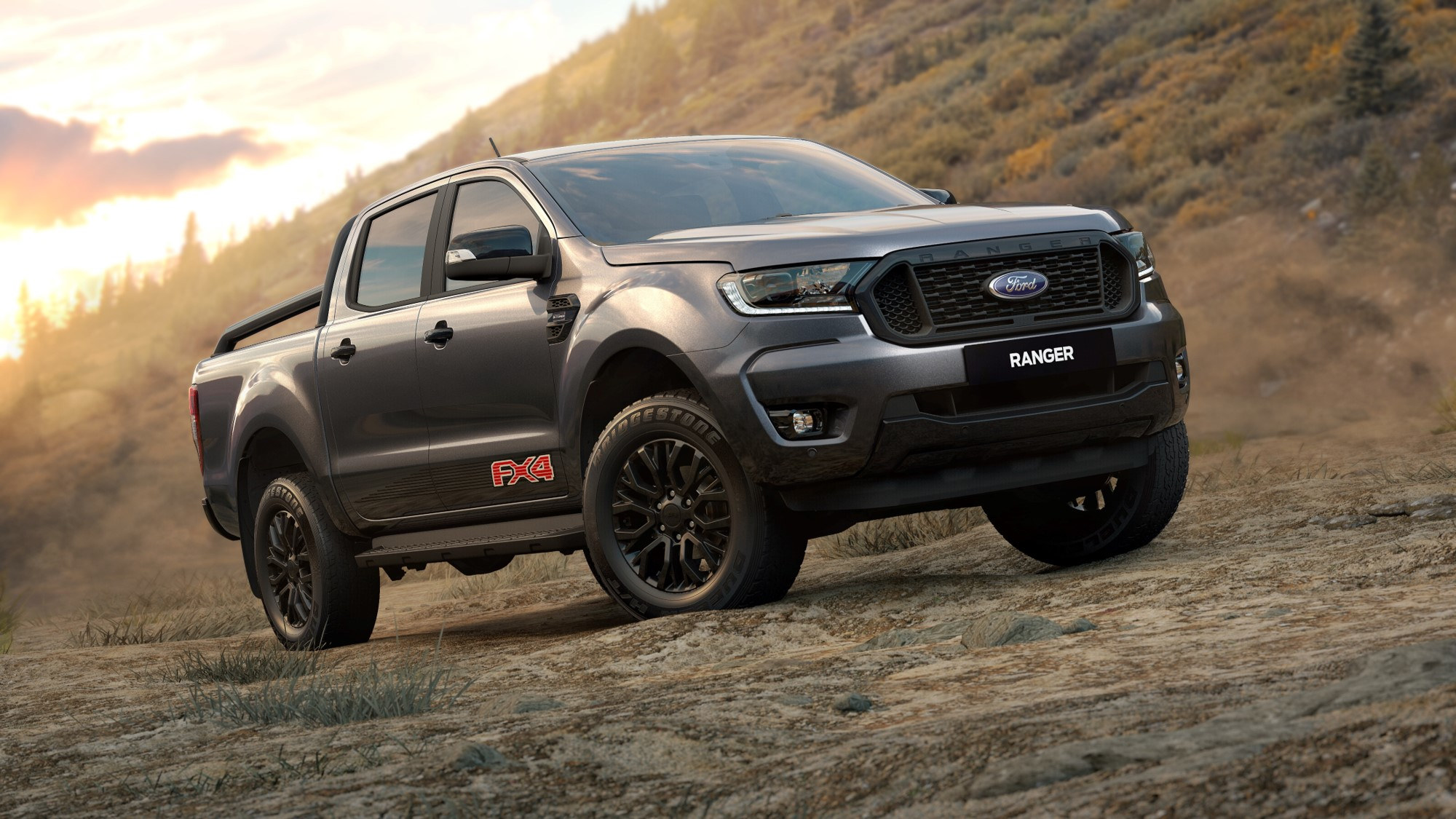
6. Changing Demographics: The demographics of the pickup truck market are shifting. Younger buyers, particularly those in urban areas, may be less inclined towards traditional pickup trucks, favoring smaller SUVs or crossovers for their versatility and fuel efficiency.

The declining sales of the Ford Ranger highlight the importance of staying ahead of the curve in the automotive industry. To regain its market share, Ford must address the challenges outlined above. This could involve:
A: No, the Ford Ranger remains a capable and reliable truck with a strong reputation for durability and off-road performance. However, its declining sales suggest that it may not be meeting the evolving needs and preferences of all buyers in the current market.
A: Other mid-size trucks like the Toyota Tacoma, Chevrolet Colorado, and Nissan Frontier have benefited from recent updates, offering more advanced features, technology, and fuel efficiency. They have also tailored their marketing and branding to appeal to a broader range of buyers.
A: The Ford Ranger offers a number of benefits, including its proven durability, off-road capability, and towing capacity. It also boasts a comfortable cabin and a spacious cargo bed.
A: It is unlikely that Ford will discontinue the Ranger entirely. The truck retains a loyal following, and Ford is likely to continue investing in the model to address its declining sales and remain competitive in the mid-size pickup truck segment.
The declining sales of the Ford Ranger represent a complex interplay of factors, including increased competition, shifting consumer preferences, and evolving market dynamics. While the Ranger remains a capable and reliable truck, it needs to adapt to the changing landscape to remain relevant and competitive. By investing in innovation, addressing its shortcomings, and tailoring its offerings to meet the needs of modern buyers, Ford can potentially revive the Ranger’s sales and secure its place in the mid-size pickup truck segment.


Thus, we hope this article has provided valuable insights into The Ford Ranger: A Case Study in Shifting Market Dynamics. We thank you for taking the time to read this article. See you in our next article!
Your email address will not be published.